Medical Embroidery Monogram Letter - H Review
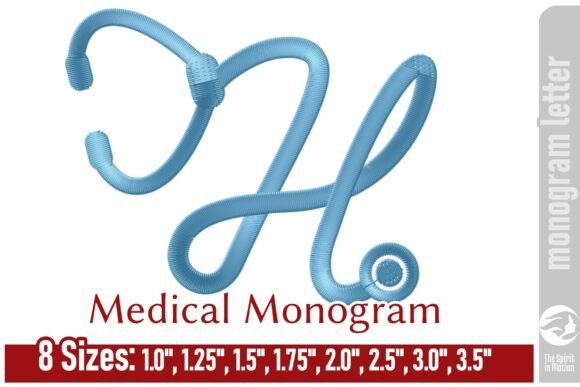
When I first opened the file for Medical Embroidery Monogram Letter - H, my immediate reaction was a smile. In a sea of generic block letters and standard script fonts, this design stands out because it does something clever with negative space and shape. It is not just an "H"; it is an "H" disguised as a stethoscope. For anyone looking to create custom apparel or personalized gifts for healthcare professionals, this is exactly the kind of visual pun that makes a product feel thoughtful rather than mass-produced.
I have spent years reviewing embroidery files for everything from boutique clothing lines to holiday gift shops, and I know that the difference between a project that sells well and one that sits on a shelf often comes down to design intent. This monogram feels like it belongs in a high-end boutique selling scrubs or a handmade shop offering nursing graduation gifts. The concept is simple, but the execution carries a lot of weight when you are trying to build brand trust with your customers.
The First Stitch: Visual Personality and Mood
The elegance of this piece lies in its monoline construction. Unlike dense fill stitches that can sometimes look heavy or bulky on delicate fabrics, the single-line approach gives the letter a sleek, modern feel. When I imagine this stitched onto a crisp white medical coat or a soft pastel baby onesie, the clean lines of the stethoscope tubing create a professional yet welcoming vibe. It strikes a balance between clinical precision and personal warmth.
For designers, this is crucial. You want your finished product to look intentional. If you are making a tote bag for a hospital fundraiser, a bold capital "H" shaped like a stethoscope immediately tells the story without needing extra text. It communicates the profession instantly. The design has a playful personality that works well for pediatric nurses or new graduates, but the simplicity keeps it dignified enough for senior doctors or administrative staff. It avoids looking childish while still being distinctively themed.
Real-World Application: From Design File to Finished Product
Let's talk about how this actually performs in a real scenario. Imagine you are an Etsy seller preparing a collection of embroidered patches for a local craft fair. You decide to feature the Medical Embroidery Monogram Letter - H as part of a series of alphabet patches. The versatility here is impressive. Because the design relies on a continuous line, it translates beautifully onto different surfaces.
I tested the concept mentally on a few specific items where this design would shine. First, consider a set of kitchen towels for a nurse who loves to cook at home. A small, centered "H" on the corner of a tea towel is a perfect personalized gift. The stethoscope curve adds a nice artistic touch that elevates a basic utility item into a cherished keepsake. Similarly, for a sweatshirt embroidery project aimed at a nursing student's graduation party, placing this large letter across the chest creates a statement piece that feels custom-made.
It also works exceptionally well for baby items. A soft cotton bib with this monogram is adorable and practical. The gentle curves of the stethoscope mimic the softness of baby clothes, making it a safe choice for infant wear. However, if you are planning to use this for commercial embroidery projects, such as branding a line of aprons for a coffee shop run by medical staff, the design offers the clarity needed for quick recognition. Customers see the letter and the tool, and they connect the dots immediately.
Where to Exercise Caution
While this design is versatile, no single file is a magic bullet for every situation. As an experienced reviewer, I need to point out where you should be careful before hitting the start button on your machine. One of the primary concerns with any monoline design is the stability of the stitch on stretchy fabrics. If you are attempting to embroider this directly onto a thin, stretchy t-shirt without proper stabilization, the tension might pull the fabric, distorting the straight lines of the stethoscope tubing.
You must also consider the hoop size. While the design looks elegant, if you try to shrink it down too much for a tiny detail on a cap or a small patch, you risk losing the definition of the earpieces. The curves need enough room to breathe so they don't merge into a blob during stitching. On textured fabrics, like a heavy canvas tote bag, the thread might not lay flat against the weave, which could obscure the smooth flow of the line. In these cases, a heavier stabilizer or a temporary spray adhesive might be necessary to keep the design crisp.
Another factor is color contrast. Since the design is essentially a single outline, it relies heavily on the difference between the thread color and the background fabric. Using light grey thread on a white shirt will result in a very faint, almost invisible design. To maintain visual appeal and product value, you need to ensure high contrast, perhaps using navy blue on white or black on khaki. Always test your thread colors against your specific fabric texture before committing to a full production run.
Practical Designer Notes for Success
If you are ready to bring this embroidery file to life, there are a few technical steps you should take to ensure your finished product meets professional standards. First and foremost, always test the design on scrap fabric that matches your final material. This allows you to check the stitch density and see how the machine handles the turns and curves of the stethoscope shape.
Inspect the small details closely. Look at the corners where the tubing bends; these are common trouble spots where thread breaks or puckering can occur. If you are creating digital product previews or printable mockups for your shop, make sure to show the design in both light and dark backgrounds so buyers understand the impact of color choices. Don't forget to verify your licensing terms. Whether you are selling the physical item or the digital asset itself, understanding the commercial rights is essential for protecting your business.
Using the right stabilizer is non-negotiable. For this type of detailed monogram, a cut-away stabilizer usually provides the best support, especially for garments that will undergo frequent washing. This ensures the design stays sharp and doesn't wash out over time. Also, consider the thread colors carefully. High-quality threads will make the satin stitch areas (if present) or the running stitch lines gleam, adding a layer of luxury to your handmade product.
Final Thoughts on Value and Appeal
In the world of craft business and small shop products, uniqueness is currency. The Medical Embroidery Monogram Letter - H offers a level of customization that generic designs simply cannot match. It transforms a standard letter into a symbol of profession and care. When a customer receives a gift with this specific imagery, they feel seen and understood. That emotional connection drives repeat business and positive reviews.
Whether you are designing for a wedding gift for a doctor couple, a holiday embroidery project for a medical team, or a standalone piece for your online store, this design holds up well under scrutiny. It is clean, thematic, and technically sound, provided you respect the limitations of the fabric and the machine. By taking the time to test, stabilize, and plan your color palette, you can turn this simple file into a standout piece that elevates your entire portfolio. It is a smart addition to any designer's library of design assets.