EXP Japanese Style Embroidery Font Review
As a professional embroidery designer who has spent years refining my craft for personalized gift shops and Etsy listings, I know that the difference between a good product and a bestseller often lies in the font choice. Recently, I put the EXP Japanese Style Embroidery Font to the test. My goal was to determine if this design could truly elevate a collection of handmade items, from baby blankets to wedding keepsakes. After running several mockups and testing on various fabric textures, I am ready to share my honest thoughts on how this embroidery file performs in the real world.
The First Impression: A Stroke of Calligraphy
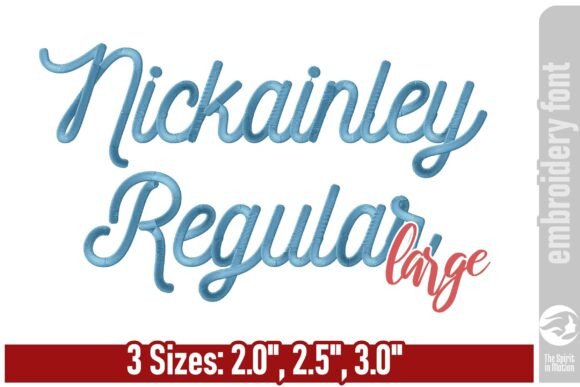
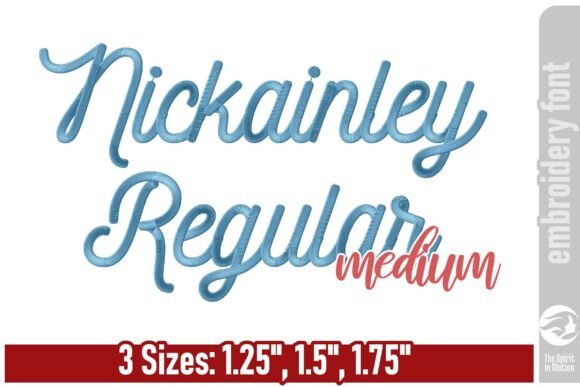
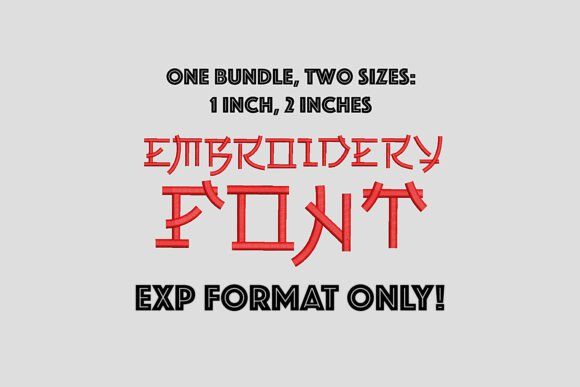
When I first opened the EXP Japanese Style Embroidery Font, the mood it conveyed was immediately distinct. It is not your standard blocky typeface; instead, it captures the fluid, expressive movement of traditional Japanese calligraphy while remaining fully based on the Latin alphabet A-Z. This unique twist gives the letters a soulful, handcrafted appearance that feels both modern and classic.
For an Etsy seller or small business owner, the emotional appeal of a design is just as important as its technical specs. This font strikes a perfect balance between elegance and playfulness. It feels warm enough for a nursery item but sophisticated enough for a high-end wedding gift. The strokes are deliberate, mimicking the brush pressure of an artist, which adds a layer of perceived value to any finished product. Whether you are creating a custom tote bag or a delicate pillow cover, this Embroidery Fonts collection brings a sense of artistic integrity that customers can see and feel.
Real-World Application: From Concept to Keepsake
I imagined a specific scenario to test the versatility of this design: a customer ordering a meaningful embroidered gift for a new parent. The request was for a baby blanket featuring the child's name in a soft, organic script. Using the EXP Japanese Style Embroidery Font, I created a digital mockup that looked stunning against a cream-colored muslin background. The lettering flowed naturally, avoiding the rigid look of machine-made text.
This same design proved equally effective for other personalized gifts. For a kitchen towel, the font added a touch of rustic charm, making it a perfect addition to a home cook's collection. When applied to a wedding keepsake, such as a monogrammed apron or a decorative pillow cover, the Asian-inspired aesthetic offered a fresh alternative to traditional serif fonts. It appeals to couples looking for something unique that reflects their personal style without being overly ornate.
The potential extends beyond just home decor. I envision this machine embroidery design shining on custom tote bags for craft fair products or as part of a cohesive branding line for a handmade shop. The expressive movement of the letters creates a dynamic visual that draws the eye, making it excellent for product photography and buyer engagement. It transforms a simple item into a story-telling piece, enhancing the emotional connection between the maker and the recipient.
Strategic Considerations and Limitations
While the aesthetic appeal is undeniable, every experienced digital embroidery file user knows that beauty must be paired with practicality. There are specific scenarios where the EXP Japanese Style Embroidery Font requires careful handling. Because the design relies on fine, flowing lines to mimic calligraphy, it may struggle when used for very small lettering. If the text is too tiny, the delicate details might get lost during the stitching process, especially on thick towels or textured fabrics.
I also advise caution when applying this design to stretchy baby clothes or curved surfaces like hats. The expressive nature of the font means that distortion on a curved surface can alter the intended flow of the characters, potentially ruining the elegant look. Furthermore, dark fabrics require a strategic approach. While the design looks beautiful on light backgrounds, achieving sufficient contrast on dark materials may require underlay adjustments or specific thread choices to ensure the stitches pop without becoming muddy.
Products that need frequent washing, such as daily-use aprons or kitchen linens, should also be tested thoroughly. The density of the stitches needs to hold up over time without pilling or fraying. If the stitch density is too low, the design might wear down quickly; if it is too high, the fabric might pucker. Always review the stitch density before committing to a full production run.
Practical Notes for the Embroidery Maker
To ensure your finished product meets the high standards expected by your customers, follow these practical steps when working with this font. First, always test on scrap fabric that matches the texture and weight of your final project. This allows you to check thread color contrast and confirm that the hoop size accommodates the design without cutting off any edges.
Using the proper stabilizer is critical, particularly for lightweight fabrics or stretchy materials. A tear-away or cut-away stabilizer will provide the necessary support to maintain the integrity of the expressive strokes. Before finalizing any order, compare light and dark fabric mockups to ensure the design remains legible and visually appealing in all variations. Check small details after stitching to verify that the needle did not skip any intricate parts of the calligraphy.
Finally, never forget to confirm commercial licensing before selling finished products. As a small shop product creator, understanding your rights is essential for protecting your business. Ensure that the license terms allow you to sell physical items made with the EXP Japanese Style Embroidery Font. If the file format or specific technical requirements are unclear, reach out to the designer or check the documentation provided with the download.
Conclusion: A Valuable Addition to Your Toolkit
In conclusion, the EXP Japanese Style Embroidery Font is a powerful tool for anyone looking to add a unique, artistic flair to their personalized gifts. Its ability to blend Asian-inspired aesthetics with the familiar Latin alphabet makes it a standout choice for baby embroidery, wedding gifts, and family keepsakes. By understanding its strengths and limitations, and by following careful preparation steps, you can create high-quality, emotionally resonant products that your customers will cherish.
Whether you are designing a custom tote bag, a decorative pillow cover, or a heartfelt blanket, this font offers the perfect blend of tradition and modernity. It elevates the perceived value of your work and builds trust with buyers who appreciate the nuance of handmade quality. For those seeking to expand their range of Embroidery Fonts and create memorable custom embroidery pieces, this design is definitely worth adding to your library.