Classic Cowboy Hat Embroidery Design Review
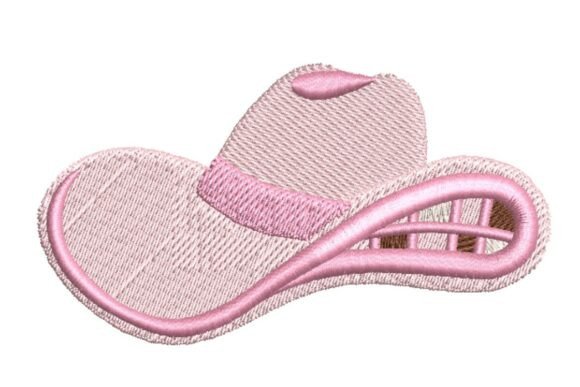
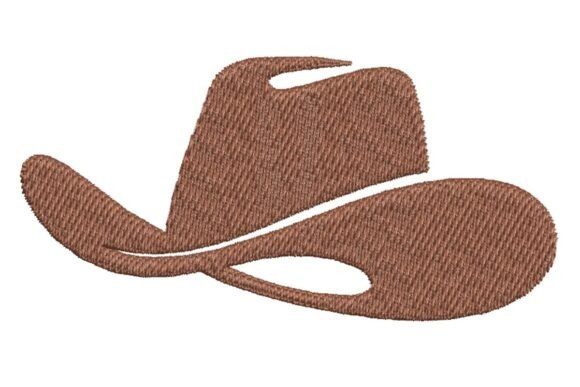
As an experienced embroidery designer who has spent years refining digital files for commercial production, I know that selecting the right machine embroidery design is about more than just aesthetics. It is a strategic decision that impacts your brand identity, production costs, and customer perception. Today, I am reviewing the Classic Cowboy Hat Embroidery Design, a file described as featuring a timeless cowboy hat rendered in a warm brown hue with a clearly defined iconic shape, creased crown, and broad, upturned brim.
For small business owners, Etsy sellers, and apparel decorators, this piece presents a compelling opportunity to add rustic charm and professional polish to your product line. Whether you are creating branded patches, staff uniforms, or boutique merchandise, understanding how this embroidery file translates from screen to fabric is crucial. Let us dive into a practical review of how this design performs in real-world business scenarios.
First Impressions: Visual Personality and Brand Fit
The initial visual impact of the Classic Cowboy Hat Embroidery Design suggests a blend of classic Americana and premium craftsmanship. The description highlights a "warm brown hue," which immediately evokes feelings of authenticity, warmth, and reliability. In the world of branding, color psychology plays a massive role; brown often signifies stability and earthiness, making it an excellent choice for businesses that want to project a grounded, trustworthy image.
The specific details mentioned—a creased crown and a brim that curls gracefully—indicate a design with personality rather than a generic clip-art style. This level of detail is vital for brand identity. A simple outline might look cheap on a high-end tote bag, but a design with defined texture and shape elevates the perceived value of the finished product. For a handmade shop, a bakery, or a creative studio, this design offers a "handmade" aesthetic without looking amateurish. It strikes a balance between playful and elegant, suitable for a wide range of niches from pet brands to local florists.
Real-World Applications for Small Business Merch
The versatility of this design makes it a powerhouse asset for various commercial projects. When I evaluate a digital embroidery file for a client, I always ask where it will live on the garment or item. Here is how the Classic Cowboy Hat Embroidery Design could shine across different use cases:
- Embroidered Patches: The bold, upturned brim creates a strong silhouette that works exceptionally well as a standalone patch. Imagine attaching these to denim jackets, leather bags, or even the back of baseball caps for a cohesive team look. The warm brown thread would pop against navy, black, or grey fabrics.
- Staff Uniforms and Aprons: For a café or a boutique, this design serves as a perfect chest logo accent or a subtle sleeve detail. On a white or tan apron, the embroidered patch effect adds a touch of professionalism while maintaining a friendly, approachable vibe for customers.
- Tote Bag Designs: Tote bags are a staple for craft fairs and events. Placing this design centrally on a canvas tote provides a large enough canvas to appreciate the "graceful curl" of the brim. It transforms a standard accessory into a branded marketing tool.
- Cap Embroidery: The curved nature of the hat mirrors the curve of a cap front panel. If sized correctly, this design can sit perfectly on a structured cap, offering a stylish alternative to text-only logos.
- Product Packaging Accents: Don't overlook smaller items. A tiny version of this design can be embroidered onto a tag attached to a handmade product label or used as a decorative element on a custom box lid.
Strategic Considerations and Potential Pitfalls
While the design shows great promise, an experienced designer must also identify where caution is required. Not every surface is created equal, and the success of your commercial embroidery project depends on respecting the limitations of the medium.
One critical area to watch is stitch density. The description mentions a "clearly defined" shape with specific details like a creased crown. If the file has too many stitches packed into a small area, it may cause puckering, especially on lightweight fabrics or when used on small patch sizes. Before running a bulk order, you must ensure the design does not become a solid blob of thread when scaled down.
Another challenge lies in the application surfaces. Curved surfaces, such as the front of a cap, require careful digitizing to account for the curvature. If the hoop size is not appropriate for the curve, the design may distort. Additionally, textured fabrics like heavy wool or rough linen can hide fine details. If your goal is to maintain crisp lines on a dark uniform, you will need to carefully select thread colors to ensure sufficient contrast. The warm brown hue might get lost on a dark charcoal shirt unless a lighter underlay or contrasting top thread is used.
Frequent washing is another factor. Items that undergo rigorous laundering, such as work shirts or kitchen aprons, need designs that are robust. If the outlines are too thin or the stitch direction is weak, the design may fray over time. Always inspect the spacing of the stitches to ensure durability.
Impact on Brand Identity and Customer Trust
In the competitive landscape of small business merch, consistency is key. Using a high-quality design like the Classic Cowboy Hat Embroidery Design signals to your customers that you care about quality. A blurred or poorly stitched logo can undermine customer trust and make a brand feel unprofessional. Conversely, a sharp, well-executed design reinforces your brand's commitment to excellence.
This design can significantly enhance product value. A simple t-shirt becomes a premium item when adorned with a detailed, professionally executed embroidery. It encourages buyer engagement and makes your merchandise more desirable as a gift or a collectible. For Etsy sellers and crafters, having a library of strong design assets allows you to create a cohesive visual language across all your products, from custom apparel to event merchandise.
Practical Designer Notes for Production
Before you commit to a full production run, follow these essential steps to ensure your finished product meets professional standards:
- Test in Black and White: Convert the design to grayscale first to check if the shapes remain distinct without relying on color contrast. This ensures the design works on any background.
- Check Small Patch Size: Scale the design down to its minimum intended size (e.g., 2 inches). Does the brim curl still look clear? If the details disappear, you may need to simplify the file.
- Review Thread Colors: The description specifies a warm brown hue. Test this against your actual fabric swatch. Does it look rich, or does it muddy? Sometimes adjusting the shade of brown can make a huge difference.
- Inspect Spacing and Hoop Size: Ensure there is enough room around the design to avoid edge distortion. Confirm that your machine's hoop size accommodates the design dimensions comfortably.
- Test on Real Fabric: Do not rely solely on digital mockups. Stitch the design on the actual fabric you plan to use to see how the fabric texture interacts with the stitches.
- Use Proper Stabilizer: The choice of stabilizer is critical for preventing puckering. Heavier designs may require cut-away stabilizers for permanent support, while lighter runs might do well with tear-away.
- Create a Printable Mockup: Use software to generate a printable mockup for client approval. This helps visualize the final result and catches potential issues before cutting fabric.
- Confirm Commercial Licensing: Verify the terms of use. Ensure you have the rights to use the embroidery design for commercial purposes, including selling items with the logo on them.
The Classic Cowboy Hat Embroidery Design holds significant potential for elevating your brand's visual presence. By paying attention to the technical details and testing thoroughly, you can turn this digital file into a tangible asset that drives sales and builds loyalty. Remember, the best embroidery design is one that looks good on the screen and performs flawlessly on the garment.