Cat Stuffie ITH Embroidery Design Review
When I first opened the file for the Cat Stuffie ITH Embroidery Design, my initial reaction wasn't about the stitch count or the specific machine compatibility. Instead, it was about the mood. There is a distinct charm in an embroidery project that bridges the gap between a digital graphic and a tangible, huggable object. This design doesn't just sit on fabric; it demands to be filled with stuffing and worn as a badge of affection. For anyone looking to expand their Sewing Patterns collection or add unique Graphics to their inventory, this piece offers a compelling opportunity to create something that feels both modern and nostalgic.
The First Impression: A Character That Stands Out
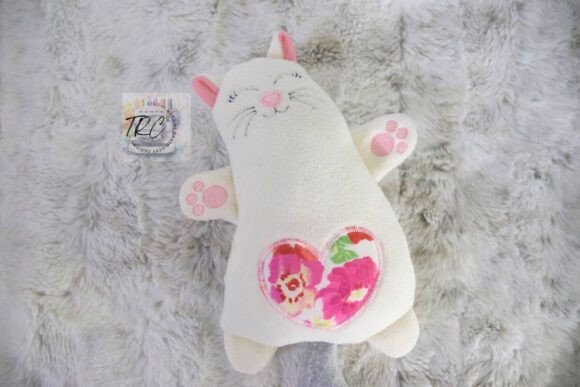
From a visual standpoint, the layout of this machine embroidery design is clean and approachable. The silhouette of the cat is rounded and soft, which immediately signals to the customer that the finished product will be gentle and safe for children. Unlike some intricate designs that rely on hundreds of tiny stitches to convey detail, this one uses clever negative space and strategic fill areas to define the character's personality. It creates a sense of whimsy without feeling cluttered. When you look at the preview, you can almost imagine the texture of the plush toy before you even cut the thread.
This kind of visual clarity is crucial for commercial embroidery. In a sea of generic logos and text-heavy patterns, a character-based embroidery file like this stands out. It has a natural "product value" because it implies a higher level of craftsmanship. When a buyer sees a cute stuffed animal created entirely in the hoop, they perceive the item as more special than a standard embroidered patch. This design naturally belongs in projects focused on nursery decor, baby gifts, or boutique merchandise where emotional connection drives sales.
Real-World Application: From Tote Bags to Holiday Gifts
I recently tested this concept by envisioning a custom order for a local boutique. The client wanted a line of holiday-themed tote bags featuring adorable animals. While many designers might suggest a simple applique or a flat patch, the Cat Stuffie ITH Embroidery Design offered a way to elevate the product. Imagine stitching this directly onto a sturdy canvas tote bag, leaving the edges raw or finishing them with a contrasting satin stitch border. The result is a functional bag that also serves as a miniature sculpture.
For small business owners and Etsy sellers, this versatility is gold. You aren't limited to just bags. This design translates beautifully to sweatshirt embroidery, where the plush effect adds a cozy, tactile element to a garment. It works equally well as a standalone embroidered patch that can be ironed or sewn onto denim jackets, aprons, or caps. If you are creating personalized gifts, the potential is endless. A parent might commission a matching set for twins, or a grandmother could make a unique keepsake for a new grandchild. The design's simplicity allows for easy customization through thread colors, letting you match the cat to a child's favorite color palette or a brand's specific aesthetic.
In terms of finished product appeal, the 3D nature of an ITH (In-The-Hoop) stuffie adds a layer of engagement that flat embroidery cannot match. Customers love seeing the process, especially when posting on social media. The transformation from flat fabric to a three-dimensional toy is highly shareable content, driving organic traffic for your shop. It turns a simple handmade product into an experience.
Where to Exercise Caution and Precision
However, every designer knows that what looks good on a screen doesn't always translate perfectly to fabric. While the Cat Stuffie ITH Embroidery Design is robust, there are specific scenarios where you need to exercise careful judgment. One major consideration is the hoop size. Because this is an ITH design intended to be stuffed, it requires a larger workspace than a standard chest logo. Attempting to fit this into a small hoop or trying to resize it significantly can distort the proportions, making the cat look squashed or elongated. Always verify the recommended hoop size before starting production.
Fabric selection is another critical factor. The design relies on stability to maintain its shape once the stuffing is inserted. Using thin, stretchy, or loosely woven fabrics can lead to puckering or distortion during the stitching process. For the best results, you should use medium-weight cottons, twills, or felt-like materials that provide enough structure to hold the stuffing without collapsing. Dark fabrics can work wonders if paired with high-contrast thread colors, but be mindful of how the background fabric shows through lighter fill stitches. Testing on scrap fabric is non-negotiable here.
Additionally, consider the durability of the final item. Since these toys are often handled by children or used frequently, the stitch density must be sufficient to prevent the stuffing from poking through. If the stitch density is too low, the toy may lose its shape quickly after washing. Conversely, if the density is too high, the fabric might become stiff and difficult to stuff. It is essential to review the stitch settings in your software and adjust the density if necessary to ensure the finished product remains durable over time.
Practical Designer Notes for Success
Before you commit to a full run of custom apparel or start listing items on your store, follow these practical steps to ensure professional results. First, always test the design on scrap fabric that matches your intended project material. This helps you gauge how the fabric texture interacts with the threads and whether any adjustments to the stabilizer are needed. Using the proper stabilizer is vital for ITH projects; you likely need a cut-away stabilizer to support the weight of the stuffing and maintain the shape of the design.
Pay close attention to the thread colors. The visual impact of the cat depends heavily on the contrast between the outline and the fill. Don't be afraid to experiment with variegated threads for a unique look, but ensure the colors don't muddy the details. If you plan to sell these items commercially, check the licensing terms of the digital embroidery file carefully. Some licenses restrict the number of finished units you can produce, while others require attribution. Clarifying these terms protects your craft business from legal issues down the road.
Finally, consider the presentation. When photographing the final product for printable mockups or online listings, lighting plays a huge role in capturing the depth of the stuffing. Flat lay photos might not do justice to the 3D aspect. Try to capture the toy being held or sitting up to show off the volume. This attention to detail reinforces brand consistency and builds trust with your customers. They need to know that the item they receive is exactly as charming as the photo they saw.
In conclusion, the Cat Stuffie ITH Embroidery Design is more than just a pattern; it is a tool for creativity that empowers makers to build emotional connections with their audience. Whether you are a hobbyist looking for a weekend project or a seasoned entrepreneur expanding your small shop product line, this design offers a perfect blend of challenge and reward. By understanding its strengths and respecting its limitations, you can create memorable pieces that stand out in a crowded market. It is a testament to the power of thoughtful design in the world of embroidery.