Cartoon Lemon Applique Embroidery Review
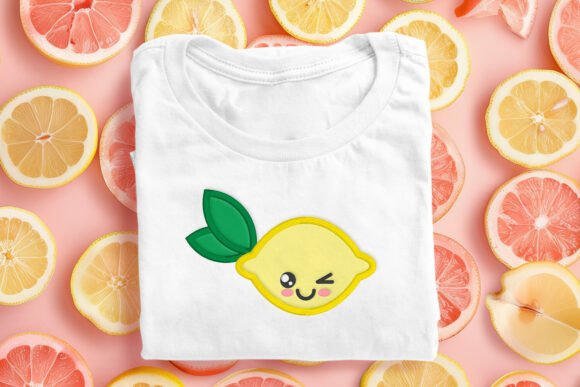
There is a specific kind of joy that comes from opening an embroidery file and immediately knowing exactly where it belongs. That feeling happened when I first loaded Cartoon Lemon Applique Embroidery into my design software. It isn't just another generic fruit shape; it has personality. The winking face gives it a playful, approachable vibe that feels perfect for modern handmade goods, while the option to skip the facial features offers a versatile clean look for more serious branding or minimalist aesthetics.
As someone who reviews designs for real-world production, I am always looking for that balance between visual charm and technical feasibility. This applique design hits that sweet spot. It screams "fresh," "bright," and "fun," making it an ideal candidate for food-themed collections, summer apparel, or even nursery decor. But does it hold up under the hoop? Let's walk through how this design performs in actual project scenarios.
Real-World Application: From Digital File to Finished Product
I recently tested this file on a custom order for a boutique kitchen brand. They needed a cheerful logo for their new line of organic aprons and tea towels. The client wanted something that felt homemade but looked professional enough to command a higher price point. Cartoon Lemon Applique Embroidery was the obvious choice.
The applique technique itself adds a layer of dimension that standard fill stitches simply cannot match. By using a contrasting fabric for the lemon body against the background material, the design pops off the surface. When I stitched this onto a heavy cotton canvas apron, the texture of the fabric complemented the smooth satin stitch outlines of the lemon peel. The result was a finished product that felt tactile and high-quality.
This same design would translate beautifully to other items. Imagine a set of matching baby bibs with this lemon motif. The applique method is actually safer for baby products than dense stitching because it reduces the stiffness behind the fabric, making it softer against delicate skin. For an Etsy seller, listing a "Handmade Lemon Applique Baby Set" immediately stands out in search results compared to standard printed or embroidered tees.
Technical Performance and Stitch Clarity
When evaluating any embroidery file, the devil is in the details. One of the strongest aspects of this design is its scalability. The inclusion of five different sizes means you aren't stuck trying to force a large design into a tiny cap brim or shrinking a small detail until it becomes a blurry mess.
The transition between the satin stitch edges and the fill stitches is clean. In many cheaply digitized files, the corners of applique pieces can look jagged or have excessive thread breaks. Here, the digitizer clearly understood the geometry of the lemon shape. The winking eye, if included, is sharp and distinct. If you opt for the plain version without the face, the design becomes a bold, graphic element that works well as a standalone patch or a central logo on a tote bag.
However, the success of this machine embroidery design relies heavily on your preparation. Because it involves cutting fabric (the applique piece) and then covering it with stitches, the stability of the base fabric is critical. On a stretchy t-shirt, you must use a high-quality cut-away stabilizer to prevent the lemon from puckering after the wash. On a stable item like a pillow cover or a denim jacket, a tear-away might suffice, but I always recommend testing first.
Where to Exercise Caution
While this design is robust, there are specific scenarios where Cartoon Lemon Applique Embroidery might not be the best fit. Understanding these limitations is what separates a hobbyist from a professional designer.
- Small Hoop Sizes: If you are working with a 4x4 inch hoop, ensure you select the smallest size variant provided in the zip file. Attempting to stitch a larger version will result in lost details or the machine failing to complete the sequence.
- Textured Fabrics: Applique requires a flat surface for the fabric piece to lay correctly. Trying this on a boucle wool or a heavily textured linen might cause the edges of the lemon to lift or the stitches to catch unevenly.
- Dense Stitch Areas: While the density here seems manageable, if you are using dark fabrics with light-colored thread, the density of the satin stitch border might need adjustment to fully cover the background color. Always check your thread contrast before starting a run.
- Frequent Washing: Applique edges can sometimes fray over time if the satin stitch coverage isn't tight enough. For items like dish towels that go through hot water cycles daily, ensure you are using high-twist polyester threads rather than standard cotton floss for maximum durability.
Visual Appeal and Brand Value
In the world of craft business and small shop products, visual appeal drives sales. A simple embroidered logo is nice, but an applique adds a "wow" factor that customers notice immediately. Cartoon Lemon Applique Embroidery creates a sense of fun and approachability that resonates well with families, gift buyers, and lifestyle brands.
When you create a mockup for your online store, this design allows you to showcase depth. You can pair it with bright colors for a summer collection or use monochromatic tones for a sophisticated, modern look. The ability to toggle the face off and on gives you two distinct looks from a single purchase, effectively doubling your design assets without spending extra money.
For commercial projects, this design helps establish a friendly brand identity. Whether you are decorating sweatshirts for a corporate retreat, creating personalized gifts for a wedding, or selling holiday ornaments, the lemon theme is universally liked. It avoids being too niche while still standing out against generic floral or geometric patterns.
Practical Designer Notes Before You Stitch
Before you commit to a full production run or start selling your handmade products, there are a few non-negotiable steps every designer should take. I treat every new file with skepticism until it passes my own quality control checklist.
- Test on Scrap Fabric: Never start on your final customer item. Cut a scrap of the intended fabric and the applique backing. Run the design to see how the tension holds up and if the fabric puckers.
- Check Thread Colors: Ensure your chosen thread colors provide enough contrast against both the applique fabric and the base garment. A lemon on yellow fabric might disappear unless the outline is dark.
- Verify Stitch Density: Look at the digitized file in your software. Are the satin stitches too close together, risking needle deflection? Is the fill stitch too open, leaving gaps in the fabric?
- Confirm Licensing: If you plan to sell finished items featuring this design, double-check the license agreement. Some digital embroidery files are for personal use only, while others allow commercial production. Do not assume.
- Review Stabilizer Needs: Depending on the fabric texture, you may need to add additional backing layers to support the weight of the applique and the tension of the stitches.
Ultimately, Cartoon Lemon Applique Embroidery is a smart addition to any library of design assets. It bridges the gap between cute and professional, offering flexibility for everything from a quick DIY project to a commercial clothing line. By paying attention to the fabric choices and stabilizing techniques, you can turn this digital file into a tangible product that brings a smile to anyone who sees it.
Whether you are an experienced embroiderer or just starting your journey into custom apparel, this design proves that a little bit of citrus zest can go a long way in elevating your work. Just remember to test, measure, and trust your instincts before you hit the start button on your machine.